





-
Products

-
Applications
-
Support
-
About AKM


Applications
Gas sensors
Explore key gas sensing applications including IAQ, HVAC, and flammable gas and refrigerant leak detection.
Gas sensors are used in a wide range of applications, including improving indoor comfort, saving energy, and ensuring safety. By measuring CO₂ concentration, they can help monitor indoor ventilation status and air quality. When linked with HVAC and ventilation systems, gas sensing can also support control that provides the required amount of ventilation where it is needed. In addition, detecting leaks of flammable gases and flammable refrigerants plays an important role in the safety design of air conditioners, heat pumps, and refrigeration equipment.
This page introduces three representative applications for gas sensing: IAQ (Indoor Air Quality), HVAC (Heating, Ventilation and Air Conditioning), and flammable gas and flammable refrigerant detection.

IAQ (Indoor Air Quality)
This application visualizes air quality in spaces where people spend time, such as homes, offices, schools, stores, and public facilities. Measuring CO₂ concentration helps identify insufficient ventilation and stagnant air, contributing to comfortable and healthy indoor environments.
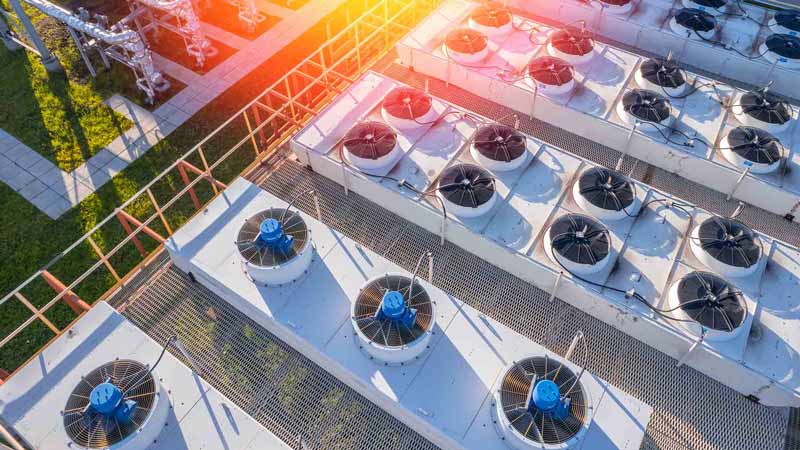
HVAC (Heating, Ventilation and Air Conditioning)
By using CO₂ concentration information in HVAC and ventilation systems, ventilation can be adjusted based on occupancy and indoor air quality conditions. This helps maintain comfort while reducing excessive ventilation and contributing to energy savings.
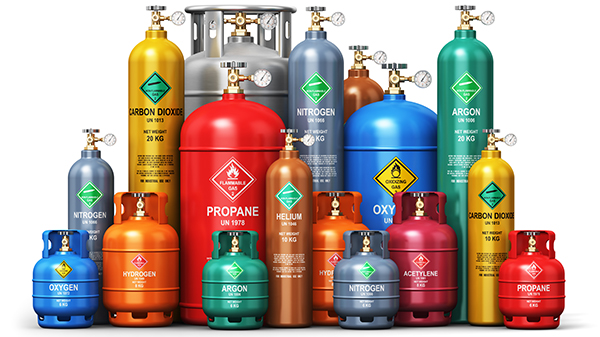
Flammable Gas / Flammable Refrigerant Detection
For equipment using flammable refrigerants such as R32 and R454A/B/C, as well as natural refrigerants such as R290, early refrigerant leak detection is important. It can be used in the safety design of air conditioners, heat pumps, and refrigeration equipment.
View Technical Resources
Explore technical information related to gas sensing, including CO₂, NDIR technology, flammable gases, natural refrigerants, and regulatory requirements.
For Product and Technical Consultation
Contact us for gas sensing design, product selection, samples, and technical consultation according to your application.